
Bike Problems & Fixes | Bike Repair in Verbier
Common Bike Problems – Learn to diagnos Bike problems for Mountain Bikes, E-Bikes and Road Bikes
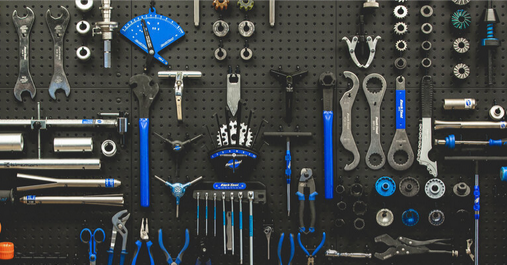
Sometimes your bike starts making odd noises, the gears lose the plot, or the brakes suddenly feel less convincing than they did yesterday. That doesn’t always mean a major repair is looming, but it usually means something needs attention.
In this guide, we cover the usual bike issues we see on mountain bikes, e-bikes and road bikes, explain what might be causing them, and give you an idea of how they would normally be fixed in theory.
Think of this as a practical guide to understanding the problem. Not a full mechanic’s manual, but enough to help you make sense of what your bike is trying to tell you.
Still have questions or need to book a service?
If you didn’t find what you’re looking for or want to get your bike checked by a professional, we’re here to help.
Email us at: bike@skiservice.com
Feel free to swing by the shop anytime.
We can’t always guarantee availability for questions or same day bike servicing, but we’ll always do our best to help where we can.
Adress: Rue de Médran 16
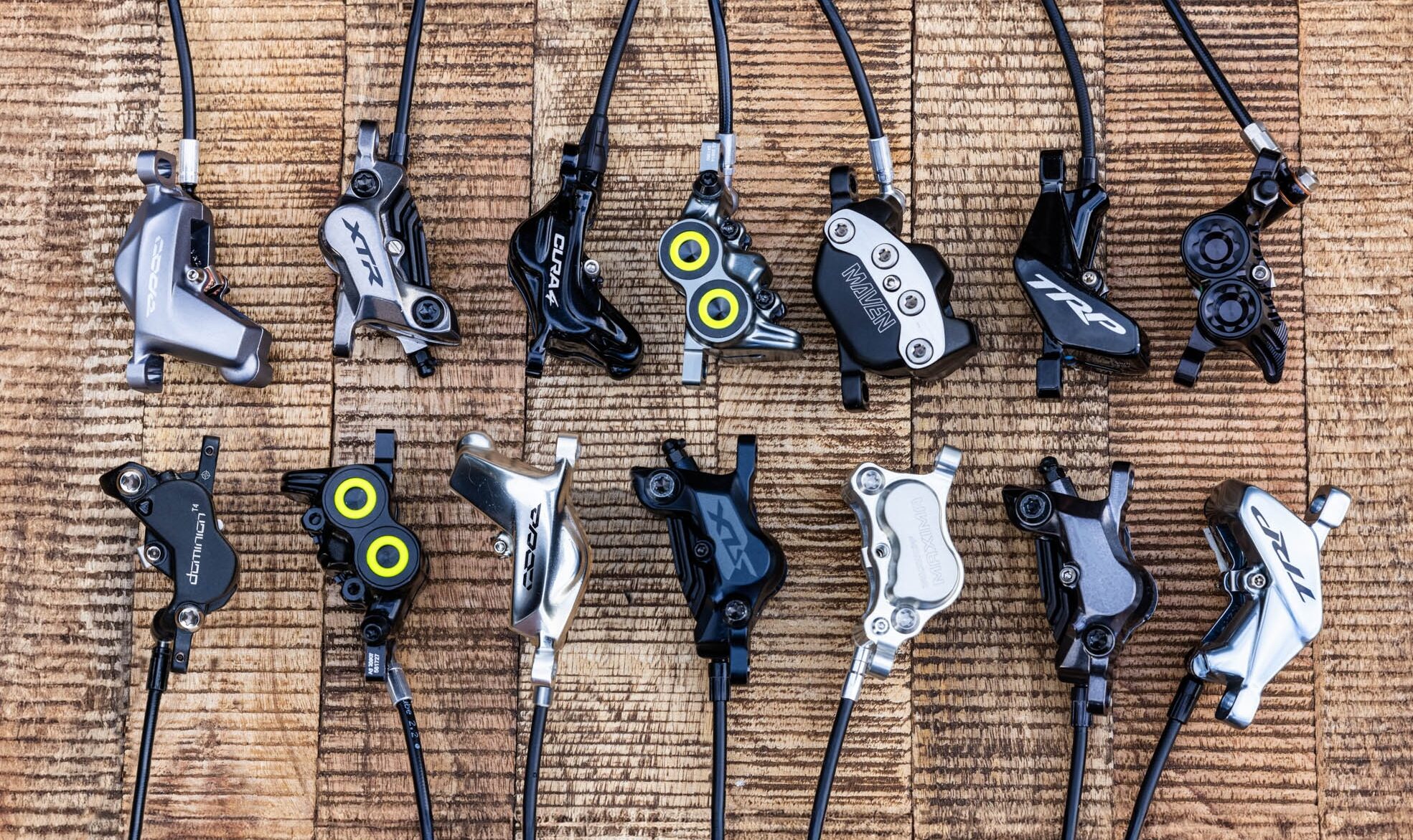
Brakes
Brakes are arguably the most important safety feature on any bike and also one of the first components to complain when something isn’t right. They squeal, rub, howl, fade, and generally make sure you know about it.
They also tend to need more regular attention than most other parts of the bike, especially if you ride often, ride hard, or spend time in wet and muddy conditions.
In this section, we look at the most common brake problems and what might be causing them.
Why are my bike brakes squeaking?
Usually contamination, glazed pads, worn pads, poor bed-in, or rotor/caliper misalignment.
Why are my bike brakes rubbing?
Usually the caliper is slightly off-center, the rotor is bent, the wheel is not fully seated, or uneven piston movement.
Why do my brakes feel spongy?
Most often air in the hydraulic system, old brake fluid, or a small leak.
Why do my brakes have no stopping power?
Usually worn pads, contaminated pads/rotor, air in the system, or severe overheating.
Do I need a brake bleed or new pads?
If the lever feels soft or pulls too far, think bleed. If the lever feels normal but braking is weak or noisy, think pads.
Why do my brakes rub after wheel removal?
Most often the wheel is not seated properly, the rotor sits slightly differently after reinstalling.
Are my brakes overheating?
Possibly, especially on long descents. Signs include fading power, smell, noise changes, discoloration, or brakes improving again after cooling down.
Are my brake pads/discs contaminated?
Possibly if they suddenly got noisy, lost power, or were exposed to oil, spray, grease, or dirty cleaning products.
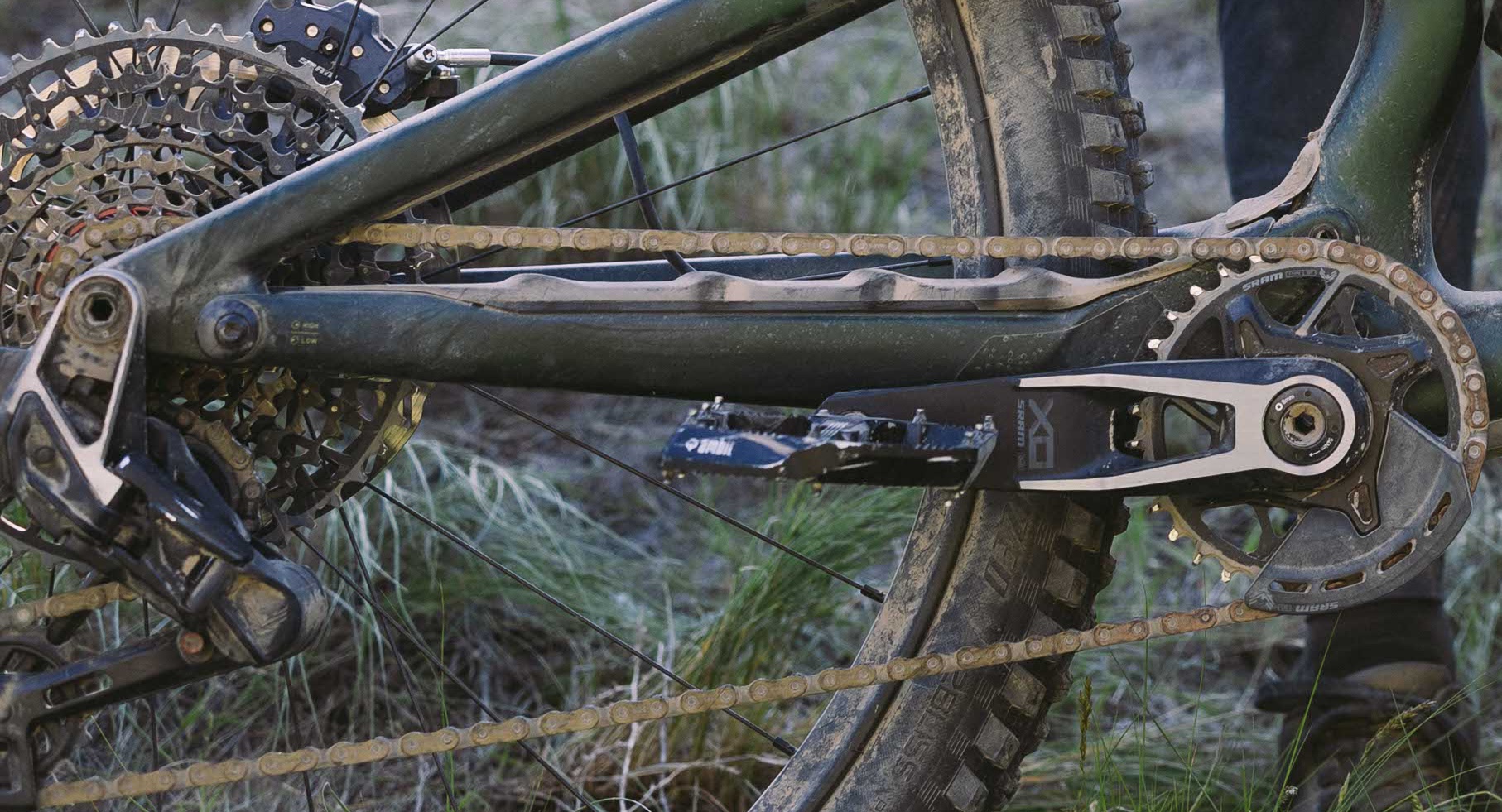
Gears | Shifting | Drivetrain
Shifting is one of those bike features you only really notice when it stops doing its job properly. When it works, everything feels smooth, easy and exactly as it should. When it doesn’t, every climb feels harder, every gear change feels suspicious, and the whole ride becomes a lot less enjoyable.
In this section, we go through the most common shifting and drivetrain problems and what the underlying issue might be.
Why are my gears skipping?
Usually because something in the setup is slightly out of line. Most of the time it comes down to cable tension, indexing, a tired drivetrain, or a derailleur hanger that’s had a small argument with a rock or just been leaning against derailleur when having lunch.
Why won’t my bike shift properly?
Because the shifting system likes precision, and it does not need much to get grumpy. A small adjustment issue, cable friction, wear, or a bent hanger is often enough to make the whole system feel off.
Why is my shifting slow or sluggish?
Usually because the cables and housing are dirty, worn, or dragging more than they should. But could also be as easy as cable tension being slightly off.
Why is my bike shifting on its own?
That’s usually a sign that cable tension is off or the derailleur hanger is not quite straight. In other words, the bike is not haunted, it just needs attention.
Why is my chain skipping under load?
If it only happens when you really put the power down, drivetrain wear is a strong suspect. A worn chain, worn cassette these two wear out in unison. You can usually get two chains out of a cassette but only if you change the chain before it gets to worn.
Why is my drivetrain making clicking or scraping noises?
That could mean slight misadjustment, poor chainline, derailleur alignment issues.
But in most cases it means a drivetrain that’s overdue for a clean, degrease and lubrication. Please clean your bikes people.
Is my derailleur hanger bent?
Possibly, and it does not need to be very bent to cause surprisingly bad shifting. The hardest thing is that it most times is quite dificult to spot a bent hanger by eye measure. If shifting doesn’t quite feel right, especially after a knock, crash, or travel, the hanger is often worth blaming first.
Secure your repair slot
Book Your Spot
Want to skip the wait?
Email us at bike@skiservice.com
to book your slot in advance.
Drop In Anytime
Feel free to swing by the shop anytime.
We’ll always do our best to fit you in, but same-day service isn’t guaranteed.
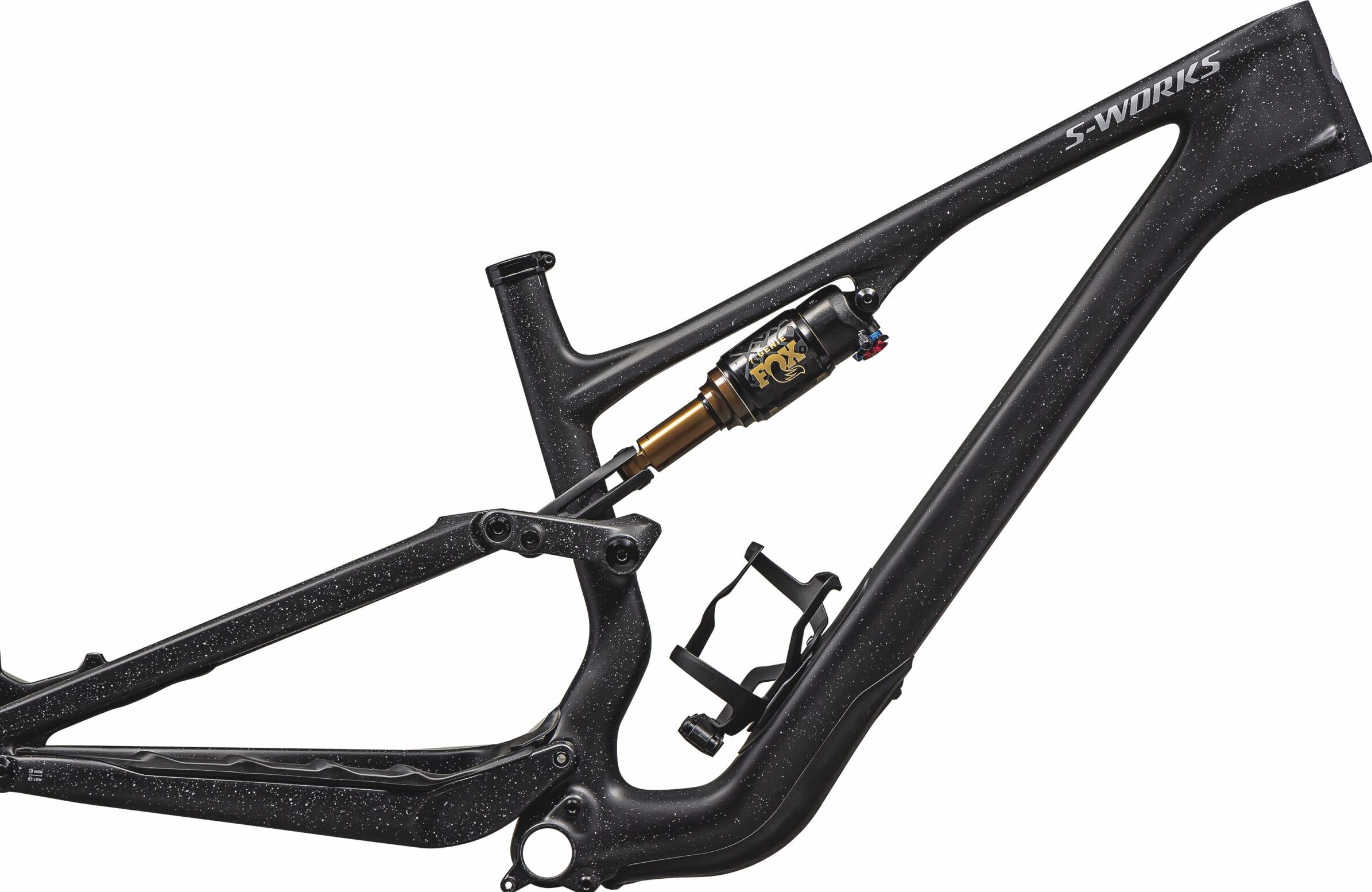
Frame & Suspension
Frame and suspension problems are not always the loudest on the bike, but they can easily become some of the most expensive. A loose bolt in the frame or suspension linkage might seem minor at first, but left unattended it can lead to play, wear, and much bigger problems further down the line.
Suspension is much the same. If it is not serviced properly or set up correctly, it will never work as well as it should, and the bike will feel worse for it.
In this section, we look at the most common causes of mysterious rattles, unwanted play, and suspension that no longer feels as smooth as it should.
Why is my bike creaking?
Because bikes are excellent at making mysterious noises and terrible at telling you exactly where they’re coming from. A creak can come from the frame, but just as often it’s from pedals, headset, seatpost, pivots, or bottom bracket. Annoying, yes. Always serious, no. Usual solution, grease.
Is my frame cracked?
Possibly, but not every mark is bad news. Sometimes it’s just paint damage, and sometimes it’s the sort of thing you really should not ignore. If there’s a visible line, spreading damage, or anything that looks structural, optimism is no longer the correct tool.
Is it safe to ride with frame damage?
That depends entirely on what kind of damage it is, but in general this is not an area where “it’ll probably be fine” is a great strategy. Cosmetic scratches are one thing. Cracks, dents or structural damage in the wrong place are quite another. If unsure come by the workshop and let our mechanics asses the damage.
How much sag should I run?
The right amount depends on the bike, the suspension design, and how you ride, but getting sag right is one of the first and most important steps in making the bike feel balanced and perform as it should.
Why does my suspension feel harsh?
Usually because something in the setup is too firm, too fast, too slow or to soft. Too much pressure, too much compression, or not enough sensitivity can all make the bike feel less fun than it should.
Why is my suspension bottoming out?
Could be because you’re riding like a true legend. But just as likely could be that the air pressure isn’t set correctly for your weight.
Why is my fork or shock leaking oil?
Sometimes it’s a light film and nothing dramatic, and sometimes it’s the suspension’s way of telling you service time arrived a while ago. If there’s noticeable oil where there shouldn’t be, it usually means seals, wear, or internal service needs attention.
Why is my suspension losing air?
Most cases points to worn seals, a valve issue, which means thst the shock or fork is due for service.
Why am I not using full travel?
Either the suspension is set up too firm, or you’re simply not hitting it hard enough to use everything it has. Not using full travel is not automatically a problem, but if the bike feels overly stiff as well, the setup may need work.
How often should I service my suspension?
More regularly than most people would like. Exact intervals vary depending on the suspension, but they are usually measured in riding hours rather than years. As a general guide, a basic suspension service is often recommended around every 50 to 100 riding hours, with a more complete internal service around every 100 to 200 hours. Leave it too long and the suspension usually becomes less smooth, less supportive, and more expensive to put service.
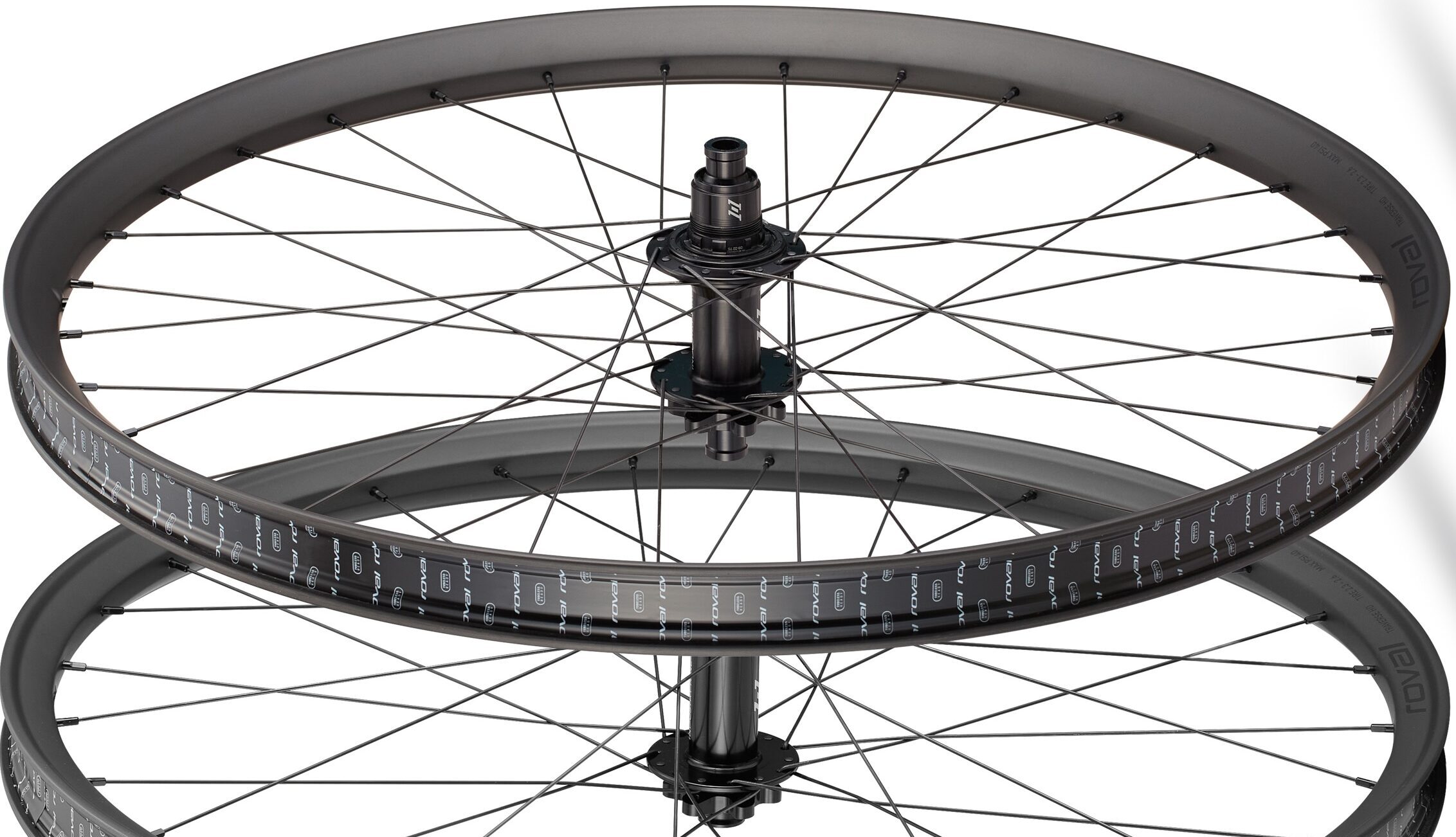
Wheels & Hubs
Wheels and hubs tend to ask for attention in different ways. Hubs are usually fairly straightforward, keep them greased and deal with problems as they come.
Wheels are a bit less forgiving. Loose or broken spokes do not always mean the wheel is finished, but if you leave them unattended, a small issue can very quickly turn into a much more expensive one.
Here, we cover the most common wheel and hub issues, explain what is likely behind them, and give you a better idea of how they are usually dealt with.
Why is my wheel out of true?
Usually because spoke tension is no longer balanced. That can happen gradually over time, or much more quickly after a hard impact. Said hard impact sometimes bend/dent the rim in which spoke tension becomes a minor problem to damage rim.
Can a bent/dented rim be fixed?
Sometimes yes, sometimes no. A small wobble or minor bend/dent can often be corrected, but a badly damaged rim usually reaches the point where replacing is the available option.
Why is my wheel rubbing?
Most often because the wheel is not straight, the tyre isn’t seated properly on the rim or the wheel is not sitting quite right in the bike. Small causes, surprisingly irritating results.
Why do my spokes keep breaking?
Usually because the wheel is carrying uneven tension. Or if you’ve been riding it for a good while, is tired enough that one spoke failure starts inviting more. Wheels are very into teamwork, if one spoke goes the rest are soon to follow.
Why is my wheel clicking/ratteling?
Usually because one part of the wheel has started moving, loosening, or wearing in a way it should not. A click can come from spokes, nipples, freehub, or sometimes even the tyre, which is why these noises are often more annoying to track down than solving.
Why does my hub have play?
Because there is movement where there should be none. That can come from loose adjustment, worn bearings, worn internal parts, or all of the above. Ether way a service on it is definitely needed.
Why is my freehub slipping?
Because the mechanism that is meant to engage and drive the wheel is not doing its job properly. That can be caused by wear, dirt, lack of maintenance, or internal parts sticking when they should be catching. Easily mixed up with gear skipping, which complicates the diagnoses.
Do I need new hub bearings or just a service?
That depends on how far things have gone. If the hub just feels dry, rough, or slightly unhappy, a service may be enough. If the bearings are worn, damaged, or full of play, replacement is usually the better answer.
Bike Workshop in Verbier
Find your trusted mechanics in Ski Service Verbier bike service workshop.